
Legislative Day February 17, 2026
Red Jackets, Real Conversations, Real Impact
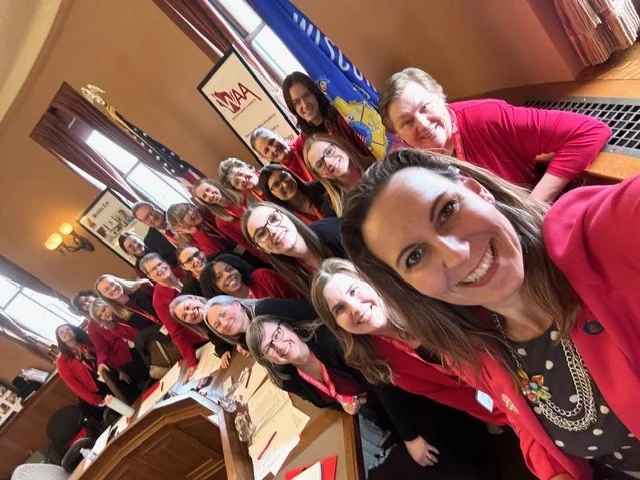
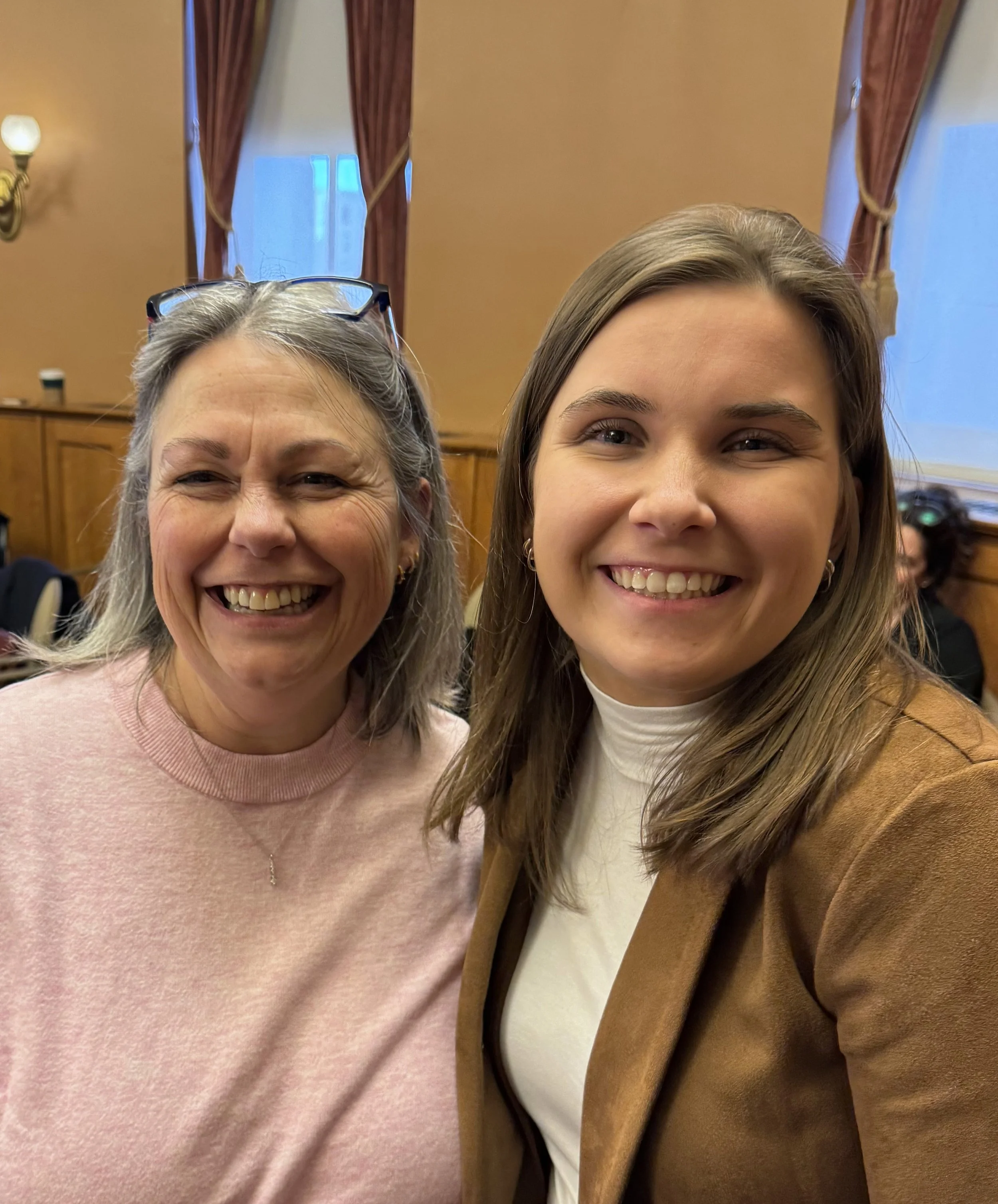
Senator Melissa Ratcliff, co-sponsor SB860 stopped by to take a selfie.
On Tuesday, February 17, 2026, audiologists and Au.D. students from across Wisconsin filled the State Capitol in a sea of bold WAA red for Legislative Day 2026, showing up with visibility, unity, and purpose to support AB 820 and SB 860—Wisconsin’s audiology modernization bills.
The day combined personal meetings with legislators and staff with an interactive “Discover Audiology” experience, where lawmakers explored the hearing and balance system firsthand through live otoscopy, tympanometry, cochlear screenings, and vestibular demonstrations (plus a very Wisconsin, Fat Tuesday jambalaya lunch). While demonstrations were underway,
WAA’s advocacy team visited 33 Senate offices to make the case for modernizing audiology practice to protect patient access, strengthen the workforce, and attract the next generation of providers. See the full story, photos, and highlights on the website.

It’s Time to Modernize
Audiology Licensing in Wisconsin
Press Release
Wednesday, January 14, 2026
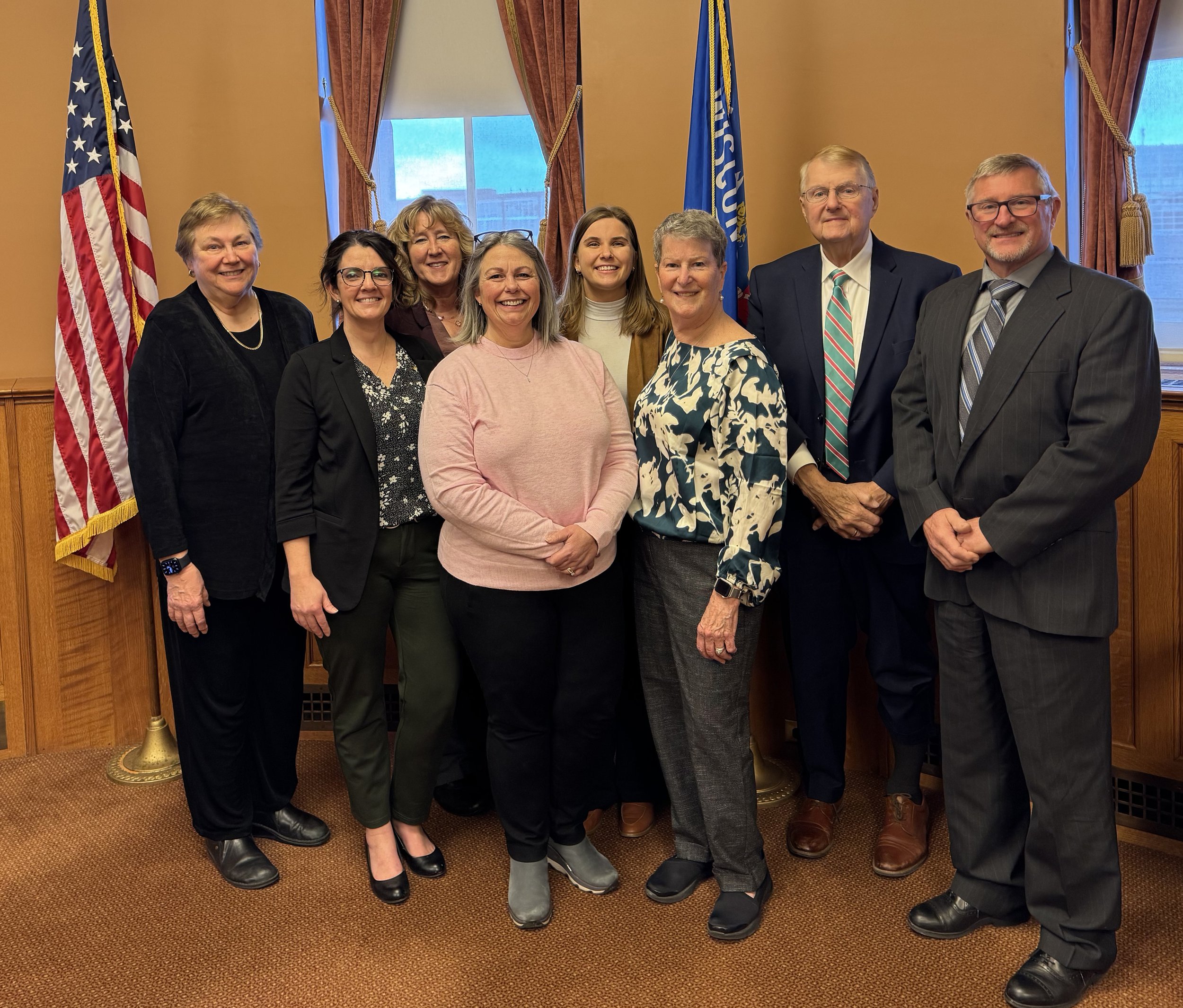
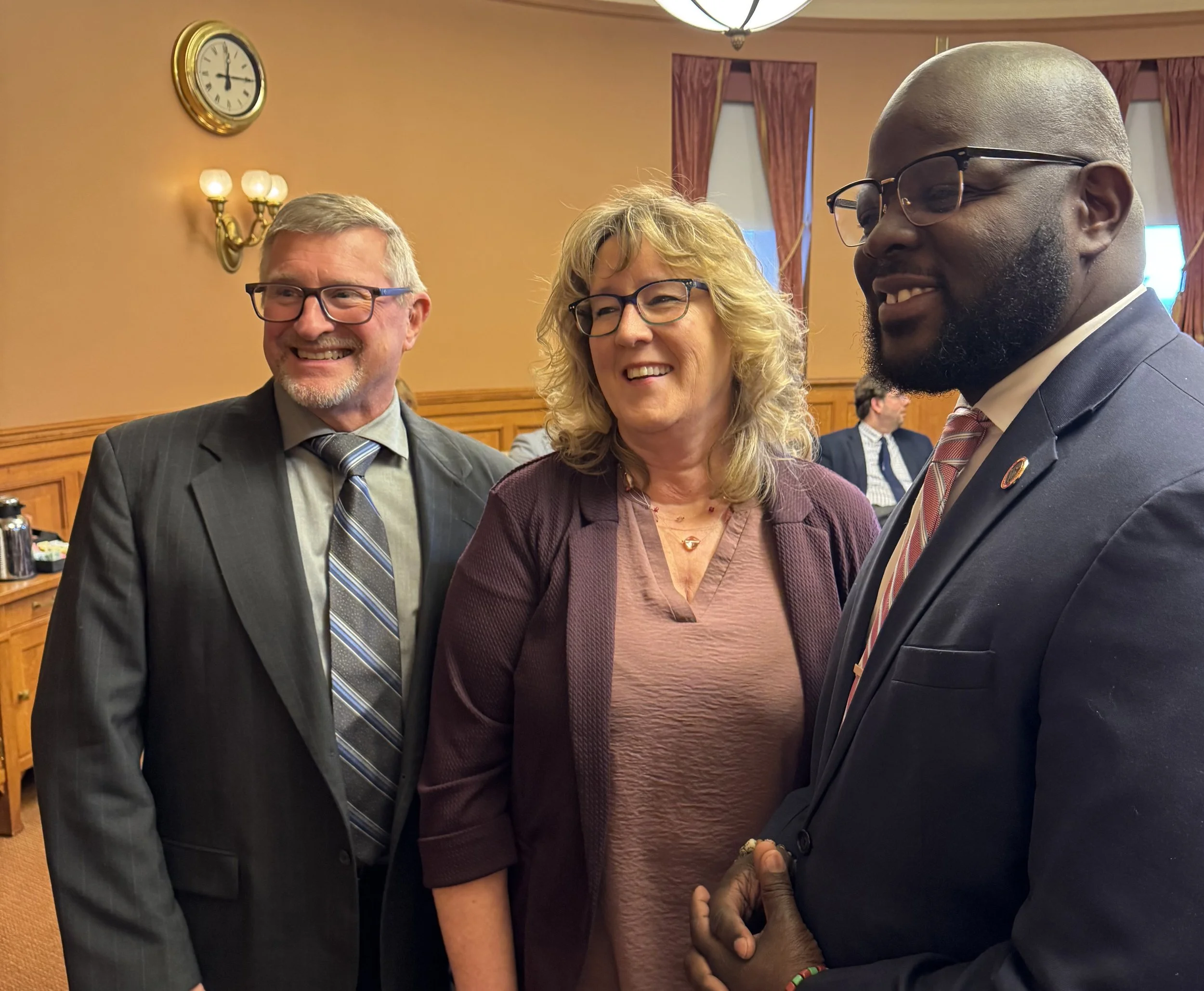
On Wisconsin! Members of the Wisconsin Academy of Audiology (WAA) gathered at the State Capitol to testify before the Assembly Committee on Regulatory Licensing Reform in support of Assembly Bill 820.
In-person testimony was provided by WAA Board members Dr. Meredy Hase, Dr. Veronica Heide, Dr. Katie Armatoski, Dr. Candy McGuiness, and Dr. Catherine Conely. Consumer advocate Thomas Stark delivered a powerful testimony describing his 10-year journey to obtain an accurate diagnosis and how appropriate audiologic care allowed him to return fully to daily living.
Additional live testimony was given by Teresa Krogmann, a third-year Doctor of Audiology student at the University of Wisconsin–Stevens Point. Written testimony was submitted by Aubrey Amble and Josephine Labrie, also third-year Doctor of Audiology students at UW–Stevens Point, as well as Grace Lofquist, Abigail Klitzke, and Esther LeVan, second-year Doctor of Audiology students at A.T. Still University’s Arizona School of Health Sciences.
The committee also received testimony from audiologists practicing in a variety of settings, including Dr. Molly O’Hearn, a member of the WAA Government Affairs Committee, and Dr. Christine Otte, an educational audiologist. Dr. Otte emphasized that modernizing Wisconsin’s audiology statutes strengthens collaboration with other healthcare professionals, school professionals, and community partners, while helping remove unnecessary barriers to timely access to care.
We were pleased to receive additional written testimony from an audiology educator, an otolaryngologist, a pediatrician, a chiropractor, a registered nurse, and an optometrist. Each described firsthand experiences working with audiologists to deliver safe, effective, and professional audiologic care.
WAA is grateful for the ongoing support of the American Academy of Audiology (ADA) and acknowledges Director Stephanie Czuhajewski, MPH, Dr. Alicia Spoor, Dr. Jenna Browne, and the officers, staff, and members of ADA for their support and partnership in advancing the modernization of Wisconsin’s audiology statutes on behalf of the patients we serve.
Veronica H. Heide, Au.D.
President, Wisconsin Academy of Audiology
Bill Information
Wisconsin’s audiology statute was written in 1989—the same year Field of Dreams premiered. More than three decades later, the profession has transformed. Audiologists now complete a four-year doctoral degree, a 12-month externship, and more than 1,800 hours of supervised clinical training. Yet our state law still limits audiologists to a scope of practice that no longer reflects their education or the needs of Wisconsin residents.
The Wisconsin Academy of Audiology’s Government Affairs Committee has spent over two years working with state legislators to update this outdated framework and to ensure patients across Wisconsin—especially seniors, veterans, and rural residents—have faster, safer, more affordable access to hearing and balance care.
A new bill, AB820, has is before the Assembly. It is authored by Rep. Cindi Duchow, Rep. Lisa Subeck, and Sen. Rachael Cabral-Guevara.
This bill does not expand audiologists’ scope beyond what is already recognized by federal programs such as Medicare and the VA. Instead, it clarifies, updates, and streamlines Wisconsin law to match current training standards, improve patient access, and eliminate unnecessary barriers.
Everything you need to understand the bill—including what it changes, why it matters, and how it benefits patients—is provided in the four resources linked below.
Please educate yourself, then contact your state legislators and urge them to support AB820.
Learn More About AB820
Assembly Substitute Amendment 1 To Assembly Bill 820
WAA Member Announcement
Background on WAA’s Government Affairs work and the co-sponsorship timeline.
Co-Sponsorship Memorandum
A clear explanation of what the bill does and why modernization is needed.
FAQs & Talking Points
Patient-focused explanations of how the bill improves access, safety, and efficiency.